
Starting an online business that pays your bills daily sounds difficult, like something reserved for tech geniuses. It isn’t. With the right information and enough willpower, anyone can make money online.
The internet has opened up countless platforms and opportunities to render services and get paid for them, and with the cost of living in Nigeria rising, it’s worth putting these opportunities to proper use.
What Does It Take to Make Money Online in Nigeria?
Making money online really only requires a handful of things:
- A device that can access the internet, a phone or laptop works fine.
- The ability to read, write, and communicate clearly.
- A skill, or the willingness to learn one.
- A willingness to work consistently.
This article covers legitimate online businesses you can get into and start earning daily, most with little to no investment required.
14 Legit Online Businesses That Pay Daily in Nigeria
1. Freelancing
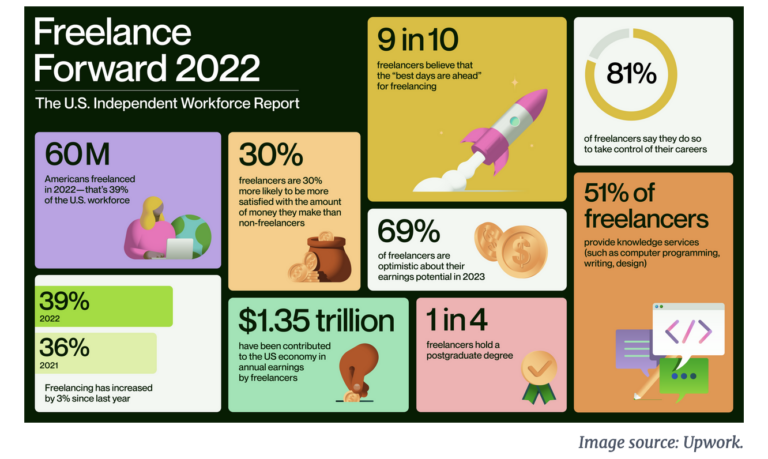
Freelancing is a strong option if you already have an in-demand skill. Skills like software development, data analytics, content writing, web and graphic design, and social media management are all in high demand from companies and individuals who need them, examples of in-demand freelancing skills include content writing, web design, social media management, graphic design, digital marketing, data analysis, UI/UX design, and mobile development.
Freelancing gives you control over your schedule and your career. Many people find they earn more and keep a healthier work-life balance working remotely as a freelancer, and there’s no geographical limit on who you can work with. Businesses increasingly rely on freelancers to stay flexible as they scale.
For example, if you’ve mastered Canva well enough to create simple marketing designs, you could package that into a monthly offer for small businesses, handling their social content and design for a flat fee. Three clients paying ₦60,000 each for a month of daily posts adds up to ₦180,000 a month from one skill.
Pros
- Work from anywhere
- Requires no investment
- Doesn’t require quitting your current job
- Can be genuinely lucrative
- You’re not answering to a boss, just delivering good work to clients
- Often more tax-efficient than salaried employment
- Better work-life balance overall
Cons
Income can be unstable since you only earn when there’s a client. Some months are strong, others slower, that’s the nature of running a small service business, and it means actively seeking new clients on an ongoing basis.
To find more clients, register on freelance platforms where businesses actively search for help. Consider Terawork, Gigfied, Fiverr, Upwork, Toptal, LinkedIn, Freelancer.com, and Guru.
2. Dropshipping

Selling other people’s products through dropshipping is another realistic way to earn daily in Nigeria. It requires little to get started, and it leans heavily on marketing rather than logistics.
Through a blog post or social media page, you market a product to potential buyers. Once a buyer pays, your job is mostly done, the supplier or wholesaler handles the actual delivery.
How it works: use your marketing to get a client to order a product you have access to, pass the order and payment on to the manufacturer or wholesaler, and once it’s delivered, you keep the difference. If a client pays ₦15,000 for a product you can source at ₦10,000, you’ve made ₦5,000.
Pros
- Low stress once the process is set up
- The client’s payment covers your starting capital
Cons
- You can end up blamed for a supplier’s mistakes, late delivery or the wrong item shipped.
- Work only with trusted suppliers to avoid getting scammed yourself. Platforms like Jumia and Shopify, or vetted private sellers, are safer starting points.
- You’ll need to monitor orders closely to avoid disputes between what a client expected and what they received.
3. Blogging

Starting a blog in Nigeria can be genuinely lucrative, with plenty of opportunities to explore. You establish yourself as a professional in your field, connect with people who need your services, and earn from an audience that shares your interests.
Blogging works best when you pick a niche that genuinely interests you and one you have real expertise in.
What Does Blogging Require?
Beyond passion, you need to be genuinely good at creating content your audience finds valuable.
Pros
- Requires little to no upfront investment
- Lets you build a business around something you’re genuinely interested in
- Helps you build rapport and communicate directly with your audience
- Once a blog is established, it can generate income with far less ongoing effort
Cons
- Earnings tend to be small at first and grow with time and consistent effort
- Blogging can be time-consuming, especially early on
- Monetisation models like affiliate income and display ads pay out with a delay
- Keeping content fresh takes ongoing creative effort
4. Trading/Earning Crypto
You don’t need a punishing job to earn online. With some tech literacy, cryptocurrency offers another route.
One low-capital option is collecting crypto airdrops, tokens distributed for free that may gain value over time. Save them in your wallet and hold until they’re worth trading.
If you already hold coins with real value, you can trade them through apps like Binance to grow your holdings.
Pros
- Real earning potential if you understand the market
Cons
- Airdrops can take a long time to gain any value
- You need a solid understanding of the market before trading seriously
- It is not a get-rich-quick scheme
- Set aside time to actually learn the fundamentals, there are plenty of free resources to start with
5. Virtual Assistant

Many busy professionals are actively looking for virtual assistants to help manage their day-to-day work, from social media accounts and inboxes to travel plans and calendars.
Opportunities for virtual assistants are growing steadily in Nigeria. Common tasks include posting content to Facebook, Instagram, X, and TikTok, managing a Pinterest account, handling a website or uploading ecommerce products, and writing or editing blog copy.
To land a VA role that pays daily, look for opportunities that match your existing skills. Can you help a small business with bookkeeping and inventory? Do you understand blogging and SEO? Can you build social posts in Canva and manage a client’s pages? There’s a role out there that fits, it mostly takes some searching to find it.
6. Affiliate Marketing

Affiliate marketing is another proven way to earn online: you promote other people’s products and earn a commission for every sale that comes through your referral link.
Many online companies actively look for affiliates to help market their products in exchange for a cut of the sale. Check out our list of affiliate marketing platforms in Nigeria to get started.
If you run a content website with a decent audience, promoting relevant products can add up quickly, a few hundred sales on a product paying $50 in commission adds up fast. Companies like Amazon, Bluehost, and HostGator all run reliable affiliate programmes worth exploring.
Pros
- One of the more proven ways to make money online
- No investment required to start
- A durable income model that isn’t going away
Cons
- Competition is high, so consistent effort is needed to stand out
7. Create and Sell Digital Products
The demand for useful information online never really dries up. You can create and sell:
- eBooks
- Templates and documents
- Music or informative audio recordings
- Podcasts
- Stock photos, graphics, and images
These products take time to build, but once they’re done, you can market them repeatedly with very little ongoing effort or investment. If you sell a ₦3,000 proposal template pack to 1,000 people over 100 days, that’s ₦3 million from a single piece of work.
The market is crowded with half-baked ebooks and courses, so take the time to make yours genuinely useful. Quality here directly shapes your reputation and future sales.
8. Vlogging

Many people underestimate how lucrative starting a YouTube channel can be in Nigeria. Video often communicates more effectively than text, which is exactly why it pays to take it seriously.
YouTube rewards consistent, valuable content with viewers, and viewers translate into ad revenue and other monetisation options over time. The same content also does well repurposed across other social platforms.
Focus on making videos clear and genuinely useful to your audience, that consistency is what eventually builds a paying audience.
9. Online Tutoring
Online tutoring and coaching is a fast-growing industry, driven by more people wanting to learn new skills without leaving home.
The internet has made the world smaller, and people increasingly want to learn directly from others with relevant expertise. Coaching remains one of the more popular ways to convert existing knowledge into daily income.
10. Social Media Influencing
Social media influencing has become a legitimate way to earn online, built on more than just posting sponsored content. It’s about building a genuine following around content people actually want to see.
The influencer marketing industry is now worth billions of dollars globally, and brands actively seek out creators with engaged, relevant audiences.
A clear strategy matters here just as much as it does in any other business. Start small, build momentum steadily, and avoid burning out chasing growth too fast early on.
11. Start Your Own Ecommerce Business

An ecommerce business sells goods or services online, giving customers a platform to browse, pay, and track their orders.
You can start an ecommerce business with your own website or by using an existing platform like Shopify or WordPress. You’ll need professional product photography, clear shipping rates, and solid customer service to make it work.
If you need help building an online store, our team at Web Design Nigeria can help, reach out to us to discuss your project.
12. List on Property Websites
Real estate offers another route: acting as an online agent connecting property buyers and sellers. There’s steady demand for houses, land, and other property assets, and a lot of that demand now starts online.
Sites like PropertyPro.ng and other Nigerian property listing platforms let you list properties on behalf of owners. Once a property sells, you earn your percentage on top of your agent fee.
Successful agents show up consistently online, on their own websites and on social media, marketing listings strategically rather than waiting for buyers to find them. Beyond direct sales, some agents also earn through affiliate arrangements or by managing rental properties for owners.
13. Online Surveys and App Testing
This one won’t replace a full income, but it’s a legitimate way to add extra cash. Companies regularly look for people to test new products and provide feedback before launch.
Survey and app-testing work usually involves answering questions or carrying out simple tasks, and you get paid based on how many tasks you complete.
14. Social Commerce (WhatsApp and Instagram Stores)
Selling directly through WhatsApp Business or an Instagram Shop is one of the lowest-friction ways to start selling in Nigeria today, no website or hosting required to get going.
You list products with photos and prices, take orders through DMs or WhatsApp catalogues, and handle payment through bank transfer or a simple payment link. It works especially well for fashion, beauty products, and food, categories where buyers want to see the product before committing.
The trade-off is that it doesn’t scale as cleanly as a proper ecommerce site once order volume grows, which is usually when sellers graduate to a dedicated online store.
Frequently Asked Questions
Which of these online businesses pays the fastest?
Freelancing and virtual assistant work tend to pay fastest since you’re paid per project or per client, often within days of finishing the work.
Can I really start with zero investment?
Freelancing, affiliate marketing, virtual assistance, and blogging can all start with just a phone or laptop and internet access. Ecommerce and dropshipping need a small amount of working capital for the first orders.
Which of these businesses scales the most?
Blogging, ecommerce, and digital products scale the best since income isn’t directly tied to hours worked once the system is set up.
Is it safe to start an online business in Nigeria?
Yes, as long as you work with reputable platforms and payment methods, and avoid sharing sensitive financial details with unverified clients or suppliers.
There’s genuinely something here for most skill sets and budgets. Pick the one that fits your strengths, commit to it consistently, and the daily income will follow.
Send your brief to info@webdesigns.ng or WhatsApp us on 08114900422.
Need a website that actually grows your business?
Web Design Nigeria builds fast, SEO-ready websites for Nigerian businesses. Let’s talk about yours.