
I have watched the Nigerian digital market evolve over the past few years, and honestly, it has been remarkable. What started as a tentative move toward online commerce has turned into something much bigger. The numbers do not lie: more Nigerians are buying digital products than ever, and if you are thinking of offering your expertise in this growing knowledge economy, you are probably onto something good.
Selling digital products in Nigeria, though similar to how it is done elsewhere, has some peculiarities you must understand, and that is the essence of this guide. There are nuances here that can make or break your success when you set out to trade your knowledge and experience as a product.
Understanding Digital Products
Digital products are intangible goods that exist in electronic form, such as templates, prompts, online courses, e-books, software, graphic design assets, music files and mobile apps.
Unlike physical products, digital products do not need inventory, shipping or storage space, because they exist purely in digital form.
Selling digital products is a key part of knowledge commerce, a fast-growing industry built on monetising information, expertise and professionalism. It is essentially about packaging valuable, proven information into formats like courses, coaching programmes, educational content or consulting services.
One of the best things about digital products is how easy they are to scale compared to physical business models like retail arbitrage. You create the product once and can sell it to as many people as possible, as long as the content stays valid and in demand, without extra production costs.
Benefits of Selling Digital Products
The benefits of digital products are genuinely impressive. First, there is the profit margin. Digital products do not carry the heavy overhead of manufacturing and retail, where you also factor in distribution and shipping. Once you cover platform fees, you can be looking at 90 to 95 percent margins.
They are also remarkably easy to scale. Whether you sell one copy or a thousand, your costs stay relatively fixed.
For Nigerian entrepreneurs, digital products open the door to international markets without the complexities of shipping and customs clearing. There is also flexibility: you can keep improving your product, and customers can access the latest version with no distribution bottlenecks.
On top of that, Nigeria’s market has a growing appetite for skill development and self-improvement, which creates strong demand for educational products that help people advance their careers or start businesses.
Why Nigeria’s Digital Market is Worth Your Attention
Let me put this in perspective. Nigeria is the most populous country in Africa, with about 200 million people, and a considerable number of young people online have smartphones and decent internet access. Certain sectors of the economy are also booming, and, perhaps most importantly, people are becoming more comfortable with digital transactions.
What really stands out, and should matter to you, is how resourceful Nigerians are when it comes to learning new skills and solving problems. They are not passive consumers; they actively seek out digital products that can improve their lives, help them earn more, or give them an enjoyable side hustle.
After the 2020 pandemic, people who never considered buying an online course now do so easily. Even small business owners who relied entirely on physical sales have started adopting digital alternatives. This has created a continuous wave of opportunity that any digital entrepreneur can tap into today.
What Digital Products Actually Work in Nigeria

This is where many people get it wrong. You can borrow ideas from first-tier countries and use the local context to tailor the solution to your audience’s needs. Here are digital product ideas you can start selling.
Educational and informational
Nigerians have a strong appetite for learning, especially on topics that improve their finances or career. Online courses on digital marketing, coding, cryptocurrency, AI and business development perform well. Courses that focus on practical, applicable steps almost always outperform purely theoretical content.
Digital tools and software
This is a growing, if still price-sensitive, segment. Productivity tools, business management software and apps built for specific Nigerian use cases are gaining traction. The key is solving real problems Nigerians face daily.
Entertainment and media
Nigerian entertainment consumption is massive. Digital music, comedy, podcasts, video content, gaming and interactive media all have potential. Just make sure pricing reflects local purchasing power and that payment methods are accessible.
Templates and design assets
There is solid demand for business templates, design assets and social media templates. Nigerian entrepreneurs often need professional-looking materials but cannot afford pricey custom design work.
Designing Great Products
One of the biggest mistakes I see is people creating digital products without first understanding their audience. In Nigeria, that understanding goes beyond demographics. It is about grasping the cultural context, daily challenges and aspirations of the people you serve.
Solve real problems
Every thriving digital product solves a real problem, whether that is a course on starting a new career, building a web app, or any other pressing need. The more relevant and specific the problem you solve, the better your results.
Quality and accessibility
People will not compromise on quality, but they also need products that work within their constraints. For example, more young people in Africa own smartphones than laptops, so a digital tool or course that works mainly on a phone, with limited data, reaches a far larger market than one that needs a PC.
Make it actionable
Theory is fine for grounding, but most people need their hand held with step-by-step guidance. If you are creating an educational product, include templates, checklists and practical examples people can use immediately. Your prospects appreciate clear, tangible value, especially when it is easy to replicate the process.
Pricing Your Digital Products
Pricing can feel daunting when you are starting out. The economy is complex, with real income disparities and currency fluctuations that influence buying decisions.
Over time, I have found that value-based pricing works better than trying to match prominent creators in first-tier countries. A product priced at $50 may seem reasonable globally, but in Nigeria that same $50 is a much larger share of someone’s monthly income. That said, high-value products that clearly help people earn more are usually seen as worthwhile. Here are pricing models you can adopt.
- Tiered pricing: appeals to both price-sensitive and value-seeking buyers.
- Basic bundle: a core e-book or template set.
- Premium bundle: adds video tutorials and community access.
- VIP bundle: includes one-on-one coaching and custom services.
Marketing That Works
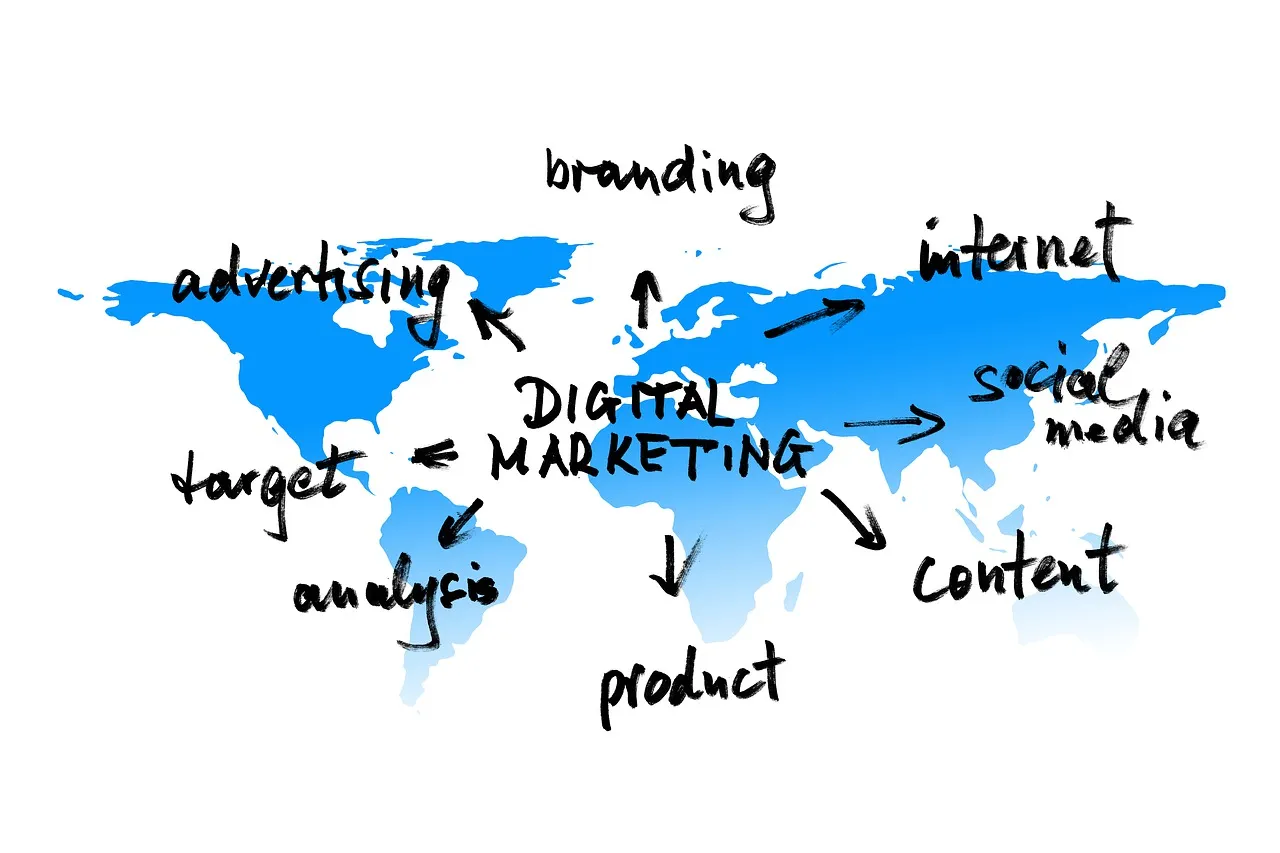
Social media marketing today needs an omnichannel approach. Your audience is active on different platforms, but they are also savvy about marketing tactics, so you win them over by giving lots of useful information across your channels.
I cannot stress this enough: WhatsApp is essential for reaching customers in Nigeria. It is the app most small businesses use to interface with customers, far more than email and DMs. Start by building WhatsApp broadcast lists and prioritise sending genuinely useful information to your prospects.
Instagram and Facebook
These platforms are great for showcasing products and building community. Users respond strongly to video, so make short videos a core part of your strategy.
Collaborating with local influencers
Influencers with highly engaged audiences can carry real weight, but their audience must actually align with your target market. A smaller, niche, laser-targeted audience usually means more engagement and more sales than a large, unfocused one.
Stellar content marketing
Blogs, blog posts, YouTube videos and social content that address your audience’s specific challenges grab the most attention. That might mean content about navigating local regulations, handling infrastructure challenges, or seizing local opportunities.
Word of mouth is powerful
Nigerians rely heavily on recommendations from friends and family. Products that naturally encourage sharing and referrals can accelerate your growth significantly.
Payment Processing and Delivery
Offer multiple payment options so buyers can choose what suits them. While bank transfers remain popular, convenient gateways like Paystack and Flutterwave let customers pay easily, which lifts your conversion rate. If you sell from your own store, an e-commerce website connected to these gateways gives you full control over the buying experience.
Digital Platforms to Sell On
Choosing the right platform can significantly affect your success. Selar is probably the most popular platform for selling digital products in Nigeria. Built for the African market, it accepts local payment methods across Africa and beyond and handles currency conversion for you. Fees are reasonable and support understands local challenges.
There are also strong international platforms. Gumroad and Teachable work well when set up properly, especially if you sell courses to a global audience.
Mistakes to Avoid
Ignoring mobile optimisation
Most Nigerians access the internet on mobile. If your sales pages, checkout or product are not mobile-friendly, you are losing real sales.
Overcomplicating the purchase process
Nigerians value straightforward, transparent transactions. Complicated checkouts, hidden fees or confusing terms kill conversions fast.
Poor customer service
Expectations are high, and word spreads quickly about good and bad experiences. Invest in responsive, helpful support from the start.
Frequently Asked Questions
What digital products sell best in Nigeria?
Practical online courses, e-books, templates and design assets, productivity tools, and entertainment or media content tend to perform best, especially when they solve a clear local problem.
How do I collect payments for digital products in Nigeria?
Use local gateways like Paystack or Flutterwave, which accept naira and cards, alongside bank transfer. Offering several options improves conversions.
Which platform is best for selling digital products in Nigeria?
Selar is the most popular local option because it is built for the African market and handles local payments and currency conversion. Gumroad and Teachable are solid for a more international audience.
How should I price digital products in Nigeria?
Use value-based pricing tuned to local purchasing power rather than copying first-tier-country prices, and offer tiered bundles so both budget and premium buyers have an option.
Do I need my own website to sell digital products?
Not to start, since platforms like Selar work well. But your own e-commerce site gives you full control over branding, pricing and customer data as you scale.
Ready to sell your digital products the smart way? Web Design Nigeria can build you a fast, conversion-focused store connected to local payment gateways. Send your brief to info@webdesigns.ng or message 08114900422.
Need a website that actually grows your business?
Web Design Nigeria builds fast, SEO-ready websites for Nigerian businesses. Let’s talk about yours.