
Websites aren’t just for profit-making businesses. Any organisation looking to grow its audience and communicate clearly online deserves a genuinely professional website, and that includes non-governmental organisations and charity startups.
NGOs can use a website as a real resource hub to connect with supporters: sharing meaningful updates, organising events, collecting donations, and hosting live streams, audio, and podcasts, all from one place a supporter can return to.
5 Steps to Build a Professional NGO Website
A proper NGO website should stay genuinely people-centric, functioning as a resource and information platform first. It needs to align with both the immediate and long-term goals of the organisation while building an engaging, informative community for both new and long-time supporters.
1. Plan the Whole Web Design Process
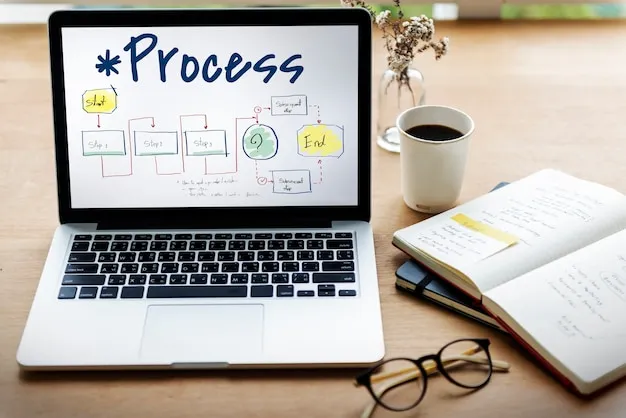
Building an NGO website isn’t something to approach without real planning, whether you’re building it yourself or working with a professional web design partner.
A solid plan gives you a clear projection of how the site progresses from design through development to launch. That includes reviewing possible design directions and gathering all the assets you’ll need, copy, brand guidelines, images, video, upfront. This becomes the anchor and roadmap your development team works from, with clear strategic deadlines and deliverables.
The site’s goals, along with its short and long-term objectives, need to be clearly laid out at this stage. How you want the site to function, and how it serves the organisation’s broader online presence goals, should be communicated clearly in the plan before any design work starts.
2. Create Genuinely Engaging Content
Content is what drives real engagement. A properly designed NGO site gives visitors real control over accessing the information they need, which means having your core content, at minimum enough to launch, well prepared ahead of time.
Content for an NGO site is an ongoing effort, not a one-time task completed before launch. Plan for regular updates to keep the site relevant, fresh, and genuinely appealing to returning visitors. The same applies across social channels: they need consistent, accurate content, not sporadic posting.
3. Build a Site That Actually Delivers
A strong NGO website needs genuinely inspiring, well-structured design that keeps supporters engaged. It doesn’t need to be complex, simple but modern is usually the right target.
It should deliver a genuinely good user experience for everyone who touches it, administrators and end users alike. Thoughtful use of animation, scroll effects, and visual elements, combined with solid design fundamentals, creates a site that’s genuinely interactive without feeling cluttered.
Most importantly, supporters and staff both need a seamless navigation experience, finding their way around without frustration. That directly affects retention and how memorable the site is, and it’s a major factor in reducing bounce rate.
Poorly designed sites rarely hold anyone’s attention. Bad design, bloated code, a confusing structure, and slow load times all push visitors away fast. Once someone has a bad first experience, the large majority won’t come back unless they know the site has since been genuinely redesigned and modernised.
4. Build a Real Social Media Strategy

An active, strategic social media presence is one of the most reliable ways to build genuine engagement and followership. NGOs consistently active on social media tend to build a following genuinely invested in what the organisation does, something you’ll notice if you follow established Nigerian NGO pages closely.
Your social media strategy doesn’t need to be complicated, especially early on. Keep it simple: a small set of achievable, trackable, measurable goals. That lets you see clearly what’s working and adjust what isn’t.
The underlying goal is using social media to genuinely spread what your organisation is doing, driving real engagement while showcasing the human impact of your work. A social strategy doesn’t have to mean paid campaigns; organic content often serves an NGO better than PPC alone, though a thoughtful blend of both tends to produce the best results within a given timeframe.
For more on building this out properly, see our guides on content marketing in Nigeria and using X for organisational visibility.
5. Promote Your Upcoming Events
Promoting events through social media and dedicated event platforms like Eventbrite is one of the most effective ways to get real visibility for what you’re organising.
Whether it’s a fundraiser, a workshop, or a community outreach event, spreading updates across your social channels puts it in front of people already following your work. Cross-promoting between your website, social media, and event platforms compounds visibility and gives your organisation a genuine platform for community growth and outreach.
Make sure other staff and volunteers know how to use these tools too, so event promotion doesn’t rely entirely on one person to generate momentum.
NGO Website Development in Nigeria
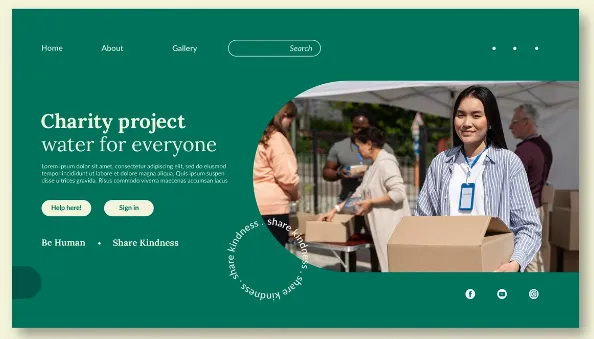
We’re a web solutions agency with over a decade of experience, having built websites for clients across Nigeria and in more than a dozen countries. We design, develop, and maintain websites and mobile apps, with a consistent focus on simplicity that doesn’t sacrifice aesthetics or functionality.
Frequently Asked Questions
How much does an NGO website cost in Nigeria?
It varies by scope, a simple informational site costs less than one with donation processing, event management, and multilingual content. Get a quote based on your specific requirements rather than assuming a fixed price.
Does an NGO website need donation functionality built in?
It’s worth including if fundraising is part of your model. A secure, well-integrated donation flow removes friction for supporters who are ready to give and shouldn’t have to leave your site to do it.
How often should an NGO update its website content?
Regularly, ideally monthly at minimum. Stale content signals an inactive organisation, while fresh updates on programmes and impact keep supporters genuinely engaged.
Is social media enough, or does an NGO really need its own website?
A website is still essential. Social media builds awareness, but a website gives you full control over your message, donation processing, and a permanent home for your organisation’s story that isn’t subject to a platform’s algorithm.
Ready to build a website that genuinely serves your NGO’s mission? Send your brief to info@webdesigns.ng or WhatsApp us on 08114900422.
Need a website that actually grows your business?
Web Design Nigeria builds fast, SEO-ready websites for Nigerian businesses. Let’s talk about yours.