
The online advertising ecosystem keeps evolving, and publishers are constantly exploring practical ways to earn more from their ad investments. Digital ad spend continues taking a growing share of overall advertising budgets globally, pushing publishers, mostly bloggers and content sites, to look beyond traditional organic growth for revenue.
One such approach is Google AdSense arbitrage: a method that relies on paid traffic to earn more from AdSense clicks and impressions than you spend acquiring visitors.
This guide breaks down how AdSense arbitrage actually works and how publishers can approach it while still delivering genuinely useful content to their audience.
What Is AdSense Arbitrage?
At its core, AdSense arbitrage means directing paid traffic from platforms like Facebook, Pinterest, or Google Ads to your own content pages, which carry AdSense ads. The goal is simple: spend a budget acquiring traffic, and earn more back from the clicks and impressions that traffic generates than you spent getting it there.
The concept sounds straightforward, but it carries real intricacies and real risk to your AdSense account, given how strict Google’s policies are around traffic quality. Google generally favours organic traffic over paid traffic when evaluating publisher accounts, which can complicate an arbitrage strategy if you’re not careful. This isn’t meant to scare you off, just a genuine heads-up to go in with clear eyes about the risks.
How Arbitrage Works, in Practice
Say you run a blog in the jobs niche. You might pay Facebook roughly ₦300,000 a month to direct 10,000 visitors to your site.
As those visitors land on your content, they see ads placed by AdSense. If you achieve a cost per click of $0.50, with around 1% of visitors clicking an ad, that’s roughly 100 clicks, translating to about $50 in ad revenue from that traffic batch. If the cycle is optimised well, this can scale into real profit, but the margins in this example are thin, and getting them to work in your favour takes real optimisation, not just running the numbers once and hoping.
Is AdSense Arbitrage Legal?
Yes, AdSense arbitrage is legal as long as it complies with Google’s policies. Google holds publishers responsible for their own traffic quality and permits legitimate traffic generation methods.
That said, exercise real caution with third-party traffic services. If Google detects fraudulent traffic, bots or click farms, your AdSense account risks suspension or a permanent ban. Stick to legitimate traffic sources and compliant practices, and arbitrage remains a genuinely viable revenue model for a content site.
Choosing the Right Traffic Channels
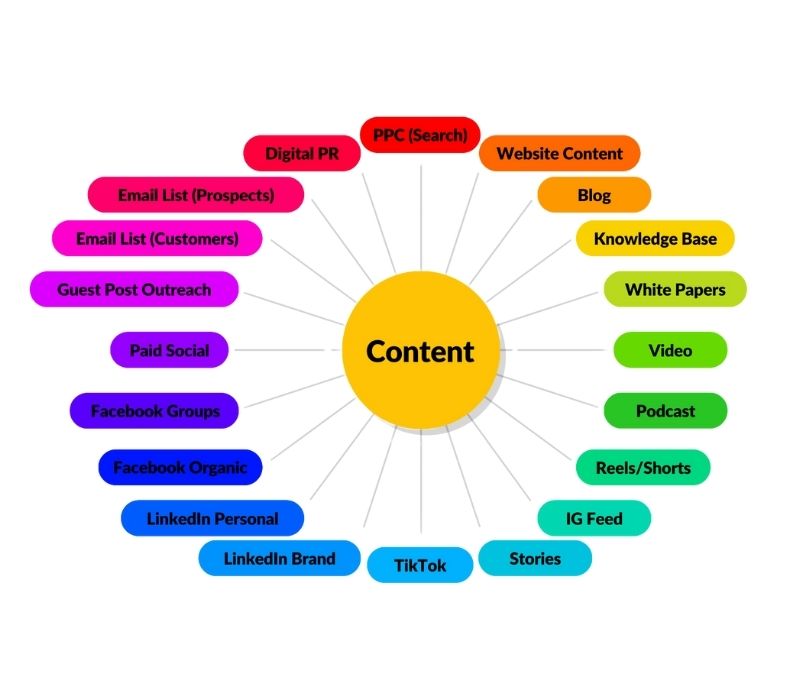
Your success as an arbitrage publisher hinges heavily on finding quality traffic sources, and not all platforms perform the same way. Weigh each option on quality, relevance, cost-effectiveness, value for money, and overall user experience.
1. Facebook Ads
Facebook’s massive daily active user base comes with some of the most granular targeting options available, useful for reaching a specific demographic precisely. Some publishers report meaningful bot traffic on the platform, so build in a system to filter low-quality traffic before it reaches your monetised pages.
2. Pinterest Ads
Pinterest is an underrated option, particularly effective for education, health, and lifestyle niches. Its CPC tends to run lower than other social platforms, making it a genuinely cost-efficient option for arbitrage.
3. Google Ads
Google Ads is more competitive and typically costs more than Facebook or Pinterest, but its reach is unmatched. Focus on high-quality, tightly relevant keywords to bring in genuinely valuable visitors rather than broad, cheap traffic.
4. Microsoft Bing Ads
Bing Ads has a smaller audience than Google but often delivers cheaper CPC rates and skews toward an older, higher-income demographic, a useful complement to a broader arbitrage strategy.
5. SEO
Writing for genuine search intent and human readers, not just keywords, is a slower but sustainable way to build targeted organic traffic alongside any paid arbitrage strategy.
6. Traffic Retention Methods
Retaining visitors and encouraging repeat engagement matters as much as acquiring them in the first place. Email marketing helps nurture relationships and keep your audience informed about new content. Push notifications can deliver timely updates directly, though they’re easy to overuse, moderate frequency carefully. Community spaces like WhatsApp groups or forums build loyalty and give people a reason to keep coming back.
Best Niches for AdSense Arbitrage
Choosing the right niche can make or break your arbitrage strategy. You need a niche that attracts genuinely high-paying advertisers and real search interest.
1. Education (Jobs, Study Abroad, Scholarships)
Education content, job portals, scholarship blogs, tends to attract high CPCs due to strong advertiser competition, particularly around online degrees and job listings.
2. Business and Finance
Content on investing, entrepreneurship, or small business loans tends to command noticeably higher CPCs than most other niches, given how much advertisers are willing to spend to reach this audience.
3. Health and Wellness
Health is a universally relevant niche with strong ad demand, but it requires genuinely credible, well-sourced content to avoid running into AdSense’s content quality policies. Weight loss and fitness content in particular tends to command higher CPCs.
4. Real Estate
Real estate content, home loans, property investment, buying guides, sees strong demand, particularly in premium metropolitan markets where CPCs can run considerably higher than average.
Why Landing Pages Matter for Arbitrage
A well-designed landing page filters out low-quality and bot traffic before it can trigger Google’s red flags.
1. Bot Traffic Mitigation
Paid ads can attract bot traffic, especially if targeting isn’t dialled in properly. A CAPTCHA on your landing page helps filter automated traffic before it reaches your actual content.
2. Higher Conversion Rates
A strong landing page guides genuine visitors toward engaging with your content and ads. Prioritise a clear call to action, fast load time, and solid mobile optimisation.
Building a Website That Actually Works for Arbitrage

Your site needs to be genuinely engaging and well-structured to keep visitors interacting with your content and, by extension, your ads. Arbitrage isn’t just about traffic volume, user experience and content quality carry real weight too.
1. Clear Navigation
Make your layout intuitive with minimal clutter, and structure your content hierarchy logically so visitors find relevant information quickly.
2. Genuinely Engaging Content
Informative, valuable content that actually holds a reader’s attention increases the odds they’ll engage further, including clicking an ad, rather than bouncing immediately.
3. Optimised Ad Placement
Place ads strategically rather than everywhere. Google’s algorithms actively detect an overabundance of ads relative to content quality and quantity, and penalties for this can wipe out your entire investment. Aim for balance: three to four well-placed ads per page is a reasonable target.
Scaling Your Arbitrage Strategy
1. A/B Testing
Test different traffic sources, ad placements, and content approaches to find what genuinely performs best, whether that’s different Facebook targeting options or multiple landing page variants.
2. Use Analytics Properly
Track user behaviour and traffic quality with Google Analytics to spot underperforming campaigns or traffic sources early. Watch bounce rate, time on page, and conversion rate as your core health metrics.
3. Stay Patient
Arbitrage isn’t a get-rich-quick scheme. It takes real time to refine and optimise for profitability, and early setbacks are learning signals, not failures.
4. Prioritise Genuinely Helpful Content
The most common mistake publishers make is focusing purely on revenue. Every stakeholder needs to get real value: AdSense as your ad partner, your readers, and the advertisers looking for genuine returns on their spend. That mindset shift tends to produce a stronger, more durable content strategy than chasing short-term clicks.
Key Risks and Pitfalls
1. Invalid Traffic
Avoid cheap, low-quality traffic from dubious sources. Beyond wasted spend, it risks real penalties, including AdSense account suspension.
2. “Made for AdSense” (MFA) Sites
Google actively penalises sites built solely to display ads with little real content behind them. Make sure your site offers genuine value beyond just being an ad vehicle.
3. Over-Optimisation
Too many ads degrades user experience and, ultimately, lowers your RPM (revenue per thousand impressions). Balance ad density against content quality to sustain engagement.
Bottom Line
AdSense arbitrage offers a real opportunity to profit from paid traffic, but it demands patience, close attention to detail, and consistent commitment to publishing genuinely useful content, not just chasing clicks.
Success comes down to scaling deliberately, choosing the right traffic sources for your niche, and continuously optimising your campaigns based on real data rather than assumptions. Publishers who invest in understanding their niche and building a genuinely quality-driven content strategy are the ones best positioned to make arbitrage work sustainably.
Frequently Asked Questions
Is AdSense arbitrage profitable for beginners?
It can be, but margins are often thin at first. Expect a real learning curve around traffic quality, CPC optimisation, and content strategy before consistent profitability kicks in.
What’s the biggest risk in AdSense arbitrage?
Low-quality or fraudulent traffic. If Google detects bot traffic or click farms feeding your site, your AdSense account can be suspended or permanently banned.
Which niche is best for AdSense arbitrage in Nigeria?
Education, business/finance, health, and real estate tend to attract the highest CPCs globally. Choose based on genuine expertise and content quality you can sustain, not just CPC potential alone.
Do I need a landing page for AdSense arbitrage?
Yes. A well-built landing page filters bot traffic, improves conversion rates, and protects your AdSense account from the kind of low-quality traffic that triggers Google’s policy violations.
Need a fast, conversion-ready website built for content monetisation? Send your brief to info@webdesigns.ng or WhatsApp us on 08114900422.
Need a website that actually grows your business?
Web Design Nigeria builds fast, SEO-ready websites for Nigerian businesses. Let’s talk about yours.